
seraphim: 7 Powerful Sacred Differences Explained Clearly
Why Are Seraphim Different From Other Celestial Beings?
Many people encounter the word seraphim while studying religious texts, artwork, or discussions about heavenly beings. The main reason for confusion is that terms such as angels, cherubim, and seraphim are sometimes discussed together, even though they have different descriptions and symbolic associations.
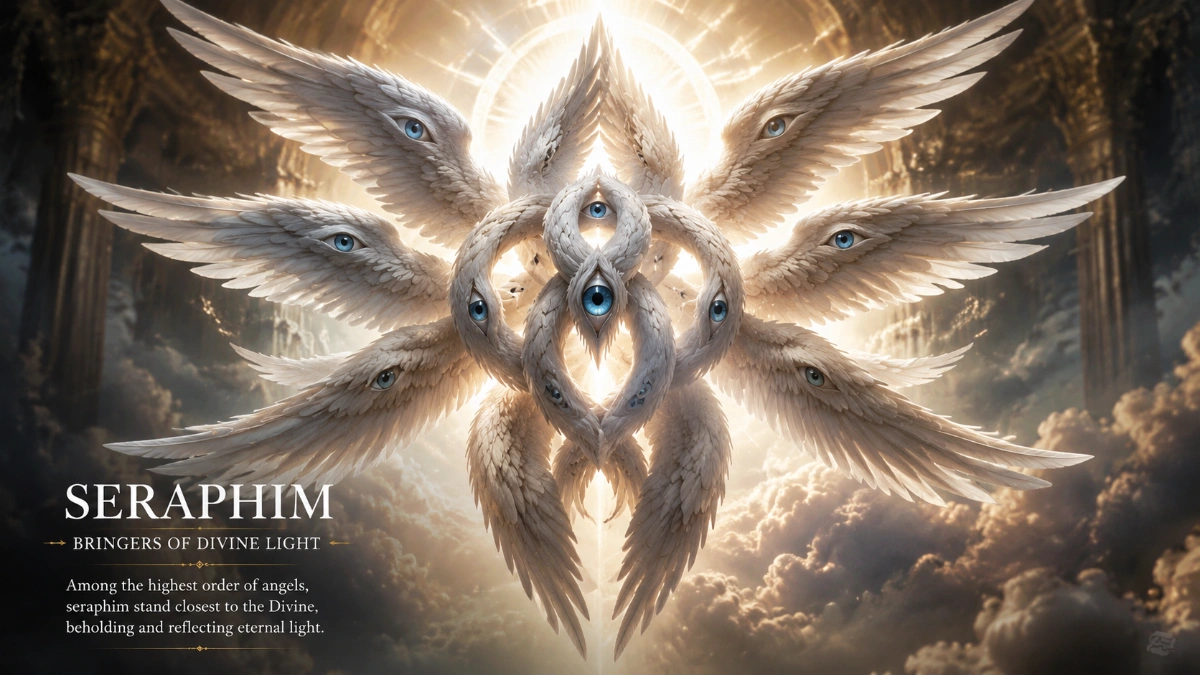
seraphim are celestial beings described in religious traditions, most notably in the biblical vision recorded in Isaiah 6. Their distinctive imagery, including six wings and their association with worship, makes them one of the most recognizable figures in religious symbolism.
Understanding seraphim requires separating the original textual descriptions from later theological interpretations. Different traditions may explain their purpose and position in different ways.
What Makes Seraphim Distinct?
The most notable feature associated with seraphim is their connection with the divine presence and continuous worship. In Isaiah’s vision, they appear around the heavenly throne and proclaim praise.
Their description differs from many other celestial figures because of the specific imagery connected with them. The six-winged appearance described in Isaiah has become a defining characteristic in many discussions.
However, later interpretations may expand on these descriptions. Religious communities and scholars have developed different explanations about their role, meaning, and place within heavenly hierarchies.
The Biblical Description of Seraphim
The primary biblical description of seraphim appears in Isaiah 6. In this vision, Isaiah describes beings surrounding the divine throne and responding with worship.
The passage describes each seraphim as having six wings:
| Wings | Description |
| Two wings | Used to cover the face |
| Two wings | Used to cover the feet |
| Two wings | Used for flying |
These details are among the most recognized elements connected with the concept.
The imagery is often interpreted symbolically, with many traditions viewing the covered face and feet as expressions of humility and reverence before the divine.
Are Seraphim the Same as Angels?
The relationship between seraphim and angels depends on the theological tradition being discussed.
Some traditions include seraphim within broader heavenly orders that contain angels and other spiritual beings. Others treat these categories separately because each has different descriptions and symbolic meanings.
The terms should not automatically be considered identical. A discussion about angels may refer to a broad category, while seraphim refers to a specific type of celestial being described in particular religious texts.
Seraphim Compared With Cherubim
Seraphim and cherubim are often mentioned together, but their descriptions and symbolic roles are different.
| Feature | Seraphim | Cherubim |
| Main association | Worship, holiness, and divine presence | Protection and sacred guardianship |
| Key biblical connection | Isaiah 6 | Multiple biblical passages |
| Recognizable imagery | Six wings and fiery symbolism | Different symbolic descriptions |
| Common interpretation | Devotion and reverence | Guardianship and divine authority |
These distinctions come from different textual descriptions and theological interpretations. The exact relationship between these beings varies among traditions.
What Do Seraphim Symbolize?
Many religious interpretations associate seraphim with holiness, purification, worship, and closeness to the divine.
The connection with fire is often understood symbolically, representing spiritual intensity or purification. This does not describe a scientifically verified physical property but rather a religious interpretation of the imagery.
Because symbolism develops differently across communities, explanations of seraphim may vary. Some focus on worship, while others emphasize transformation and sacred presence.
Why Seraphim Continue to Influence Art and Religion
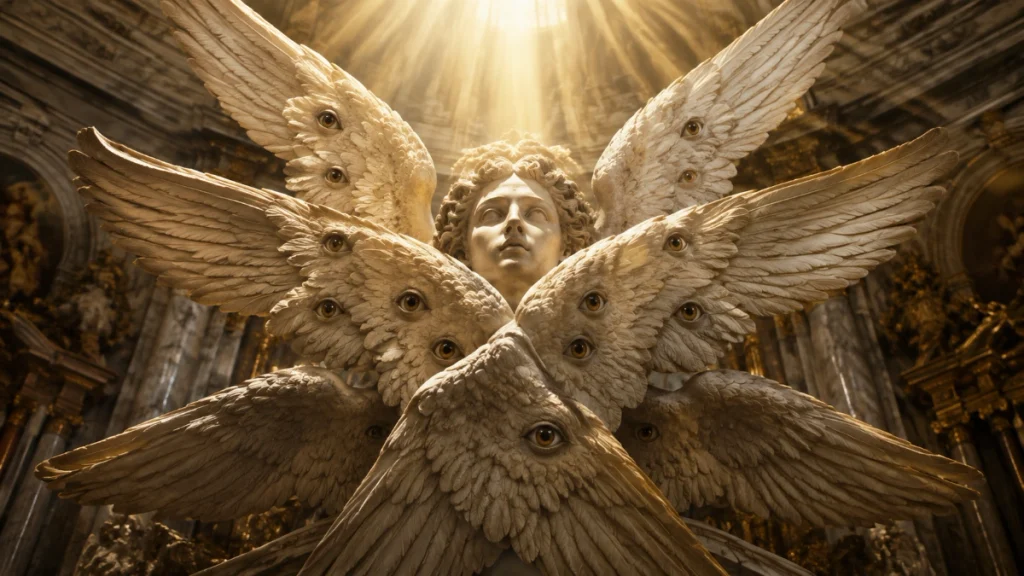
The imagery of seraphim has remained influential because it combines powerful symbols: wings, fire, worship, and connection with the divine.
Religious artists have used these images to represent ideas about holiness and spiritual devotion. Writers and scholars have also explored seraphim as examples of how cultures express beliefs through symbolic figures.
For believers, seraphim may represent devotion and reverence. For researchers, they provide insight into religious storytelling, symbolism, and historical imagination.
Frequently Asked Questions
seraphim refers to celestial beings described in religious traditions, especially those connected with Isaiah’s vision.
They are described in Isaiah’s vision as having six wings and being associated with worship before the divine presence.
Seraphim are a specific category of celestial beings, while angels may refer to a broader group depending on tradition.
They have different descriptions and symbolic associations in religious texts.
They are commonly interpreted as symbols of holiness, worship, purity, and devotion.
They continue to influence religious thought, artwork, and discussions about symbolism.
Within religious traditions, seraphim are understood as spiritual beings. They are not scientifically verified entities.
The most famous description appears in Isaiah 6.
The six-wing description comes from Isaiah’s vision and is often interpreted symbolically within religious traditions.
No. Different religious perspectives may interpret their meaning and role differently.
Some traditions place them within heavenly hierarchies, while others organize celestial beings differently.